
The SBI Feedback Model: Situation, Behaviour, Impact Explained
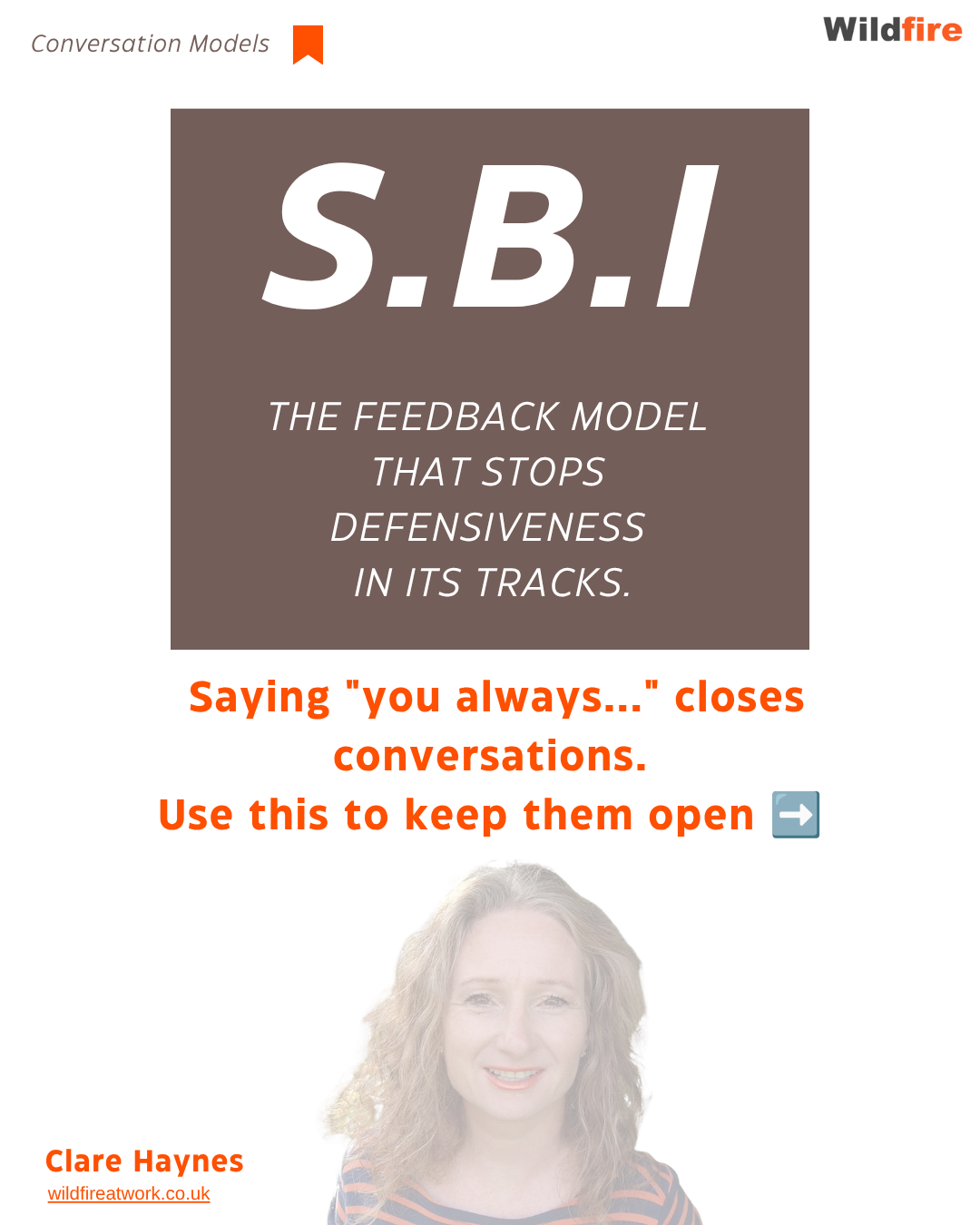
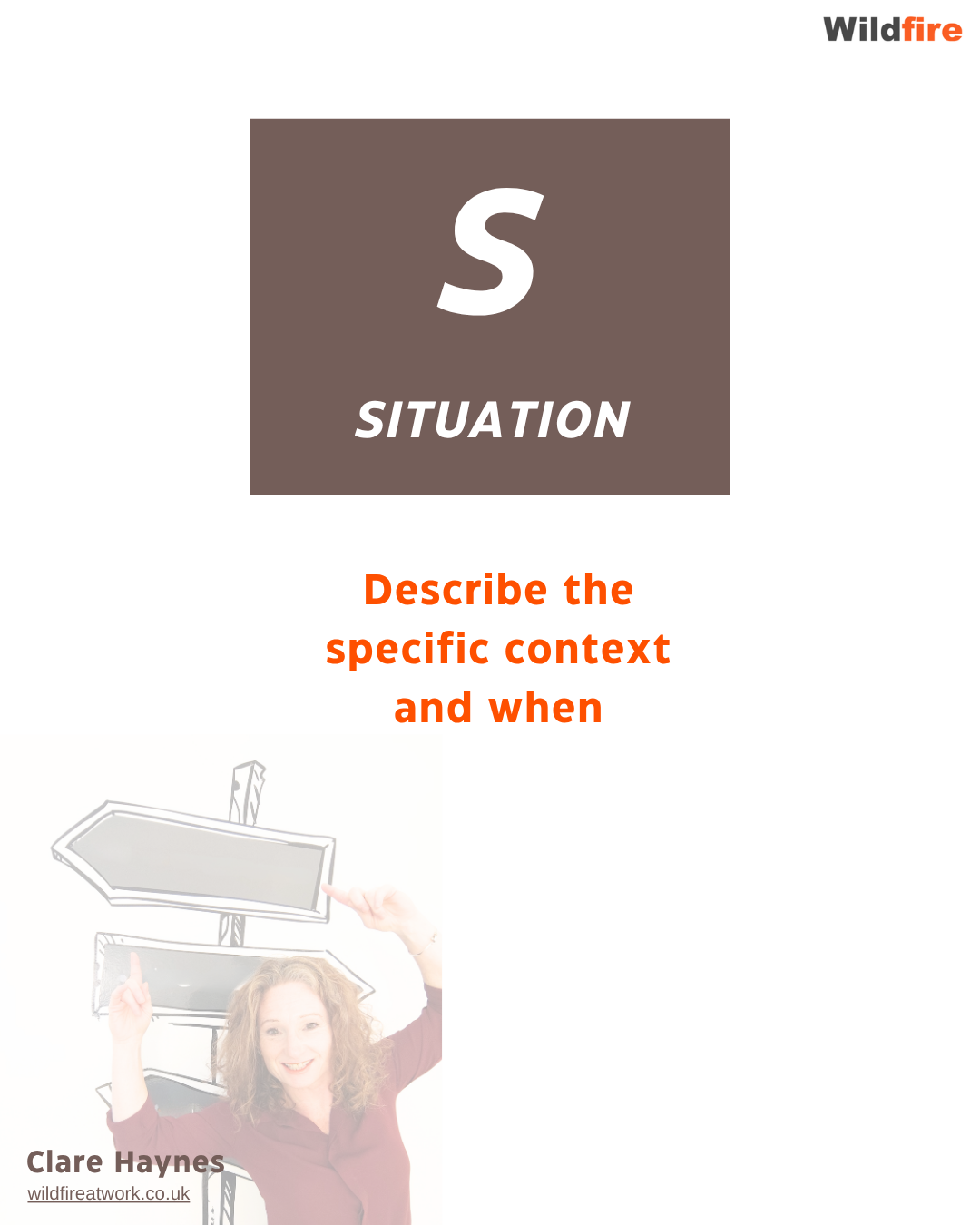
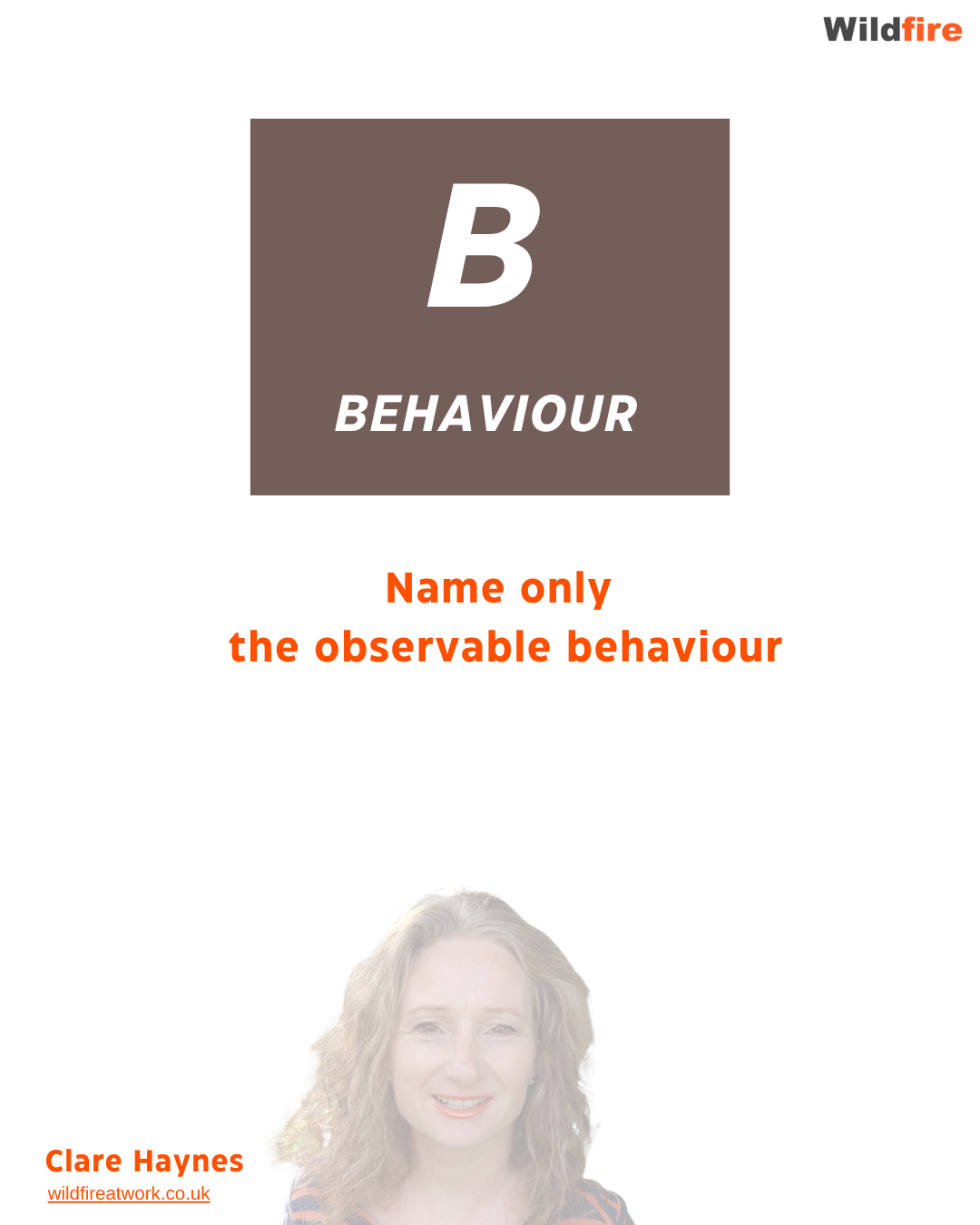
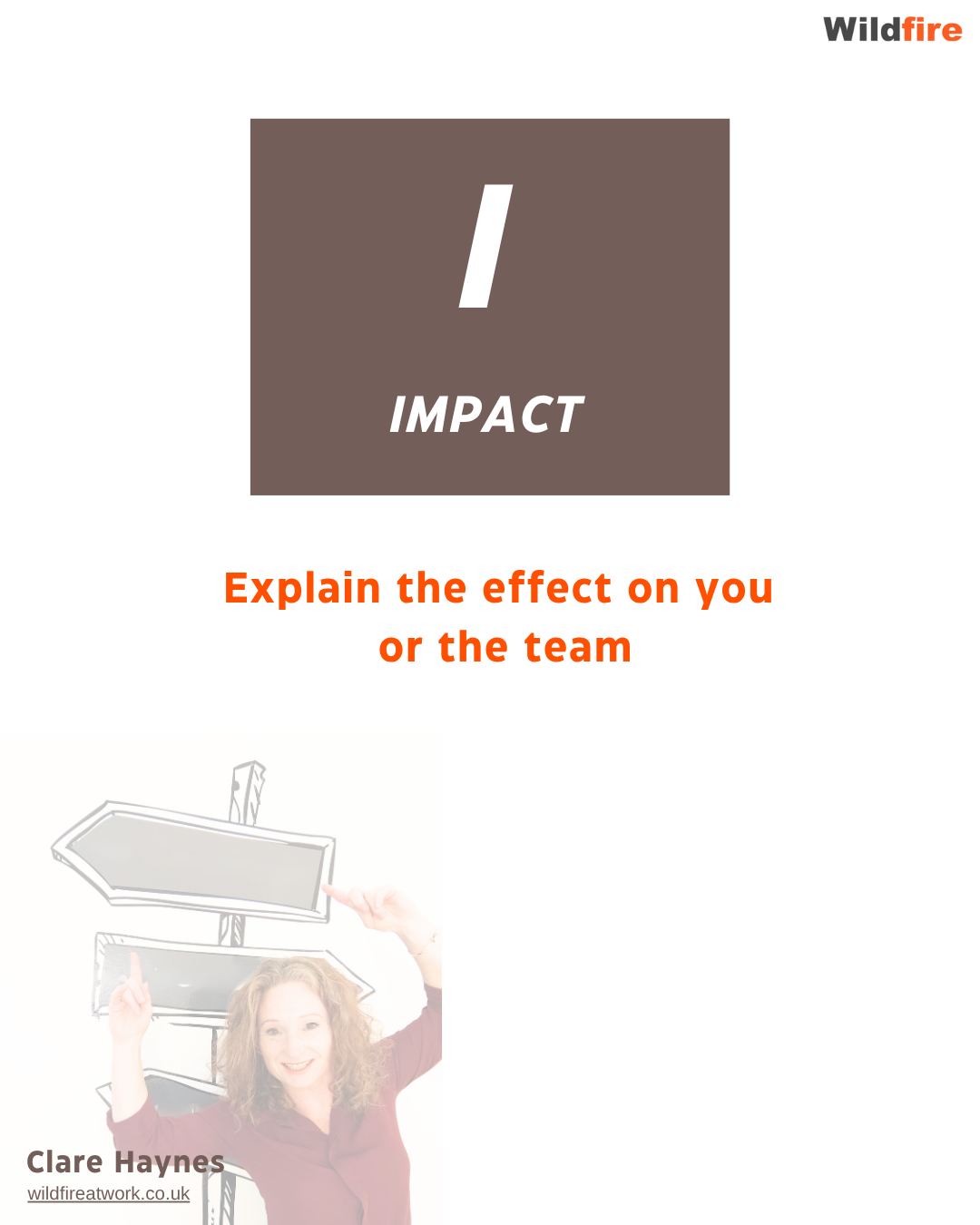
The SBI model (Situation · Behaviour · Impact) is a three-step feedback framework developed by the Center for Creative Leadership (CCL). It structures feedback around observable facts; what happened, what the person did, and what the effect was, rather than character judgements or generalised criticism.
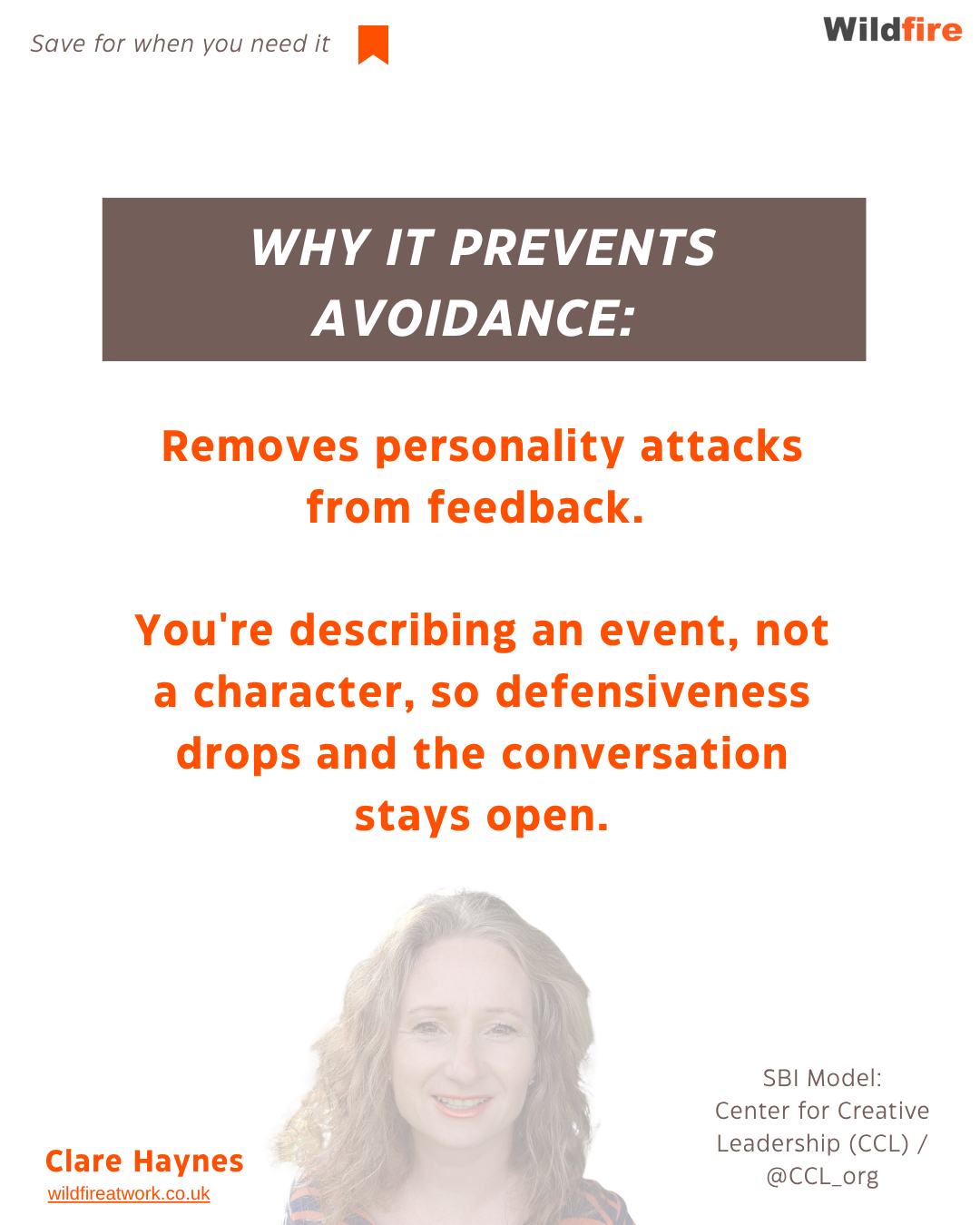
It is one of the most widely used feedback models in management training worldwide, and the reason is simple: It removes the thing that makes feedback go badly. When you describe a behaviour instead of labelling a person, defensiveness drops and the conversation stays open.
What Clare Haynes says in practice:
In twenty years of working with managers around difficult conversations, the Behaviour step is where most people stall. We've learned to speak in character language, labelling the person, such as 'they're defensive', 'they're not a team player’.
This doesn’t describe behaviour. SBI forces you back to what you actually saw before your brain turned it into a story.
A tip: Write out your SBI before the conversation. It helps to get clear about what you’ll say and get your brain ready. Even better, say it out loud so you’ve heard it before the conversation even starts.
This model matters to people who don’t like giving feedback because it boosts their confidence in delivering it, and has a structure that can be given and received in a way that’s easily understood. It gets you to think of an event rather than what can feel like finger-pointing.
Frequently asked questions about SBI
-
SBI stands for Situation, Behaviour, Impact. It is a three-step model
developed by the Center for Creative Leadership (CCL) that structures
feedback around observable facts rather than opinions or character judgements.
Description text goes here
-
Because it separates what happened (the behaviour) from what it means
(character or motive). The person receiving feedback is told what they did
in a specific moment and what effect it had — not what kind of person they
are. That distinction makes it much harder to argue with.
-
SBI works best for any feedback conversation about a specific, recent
incident — a missed deadline, a communication issue, a conduct concern, or
positive recognition. For longer-term patterns, CEDAR or COIN-R may be
more appropriate.
-
The SBI model was developed by the Center for Creative Leadership (CCL),
a global leadership development organisation based in the United States.
-
SBI-I adds a fourth step — Intent — asking the person what they intended
by the behaviour. This turns SBI from a one-way delivery structure into a
two-way conversation. Use it when intent genuinely matters to the resolution;
stick to SBI for formal performance or conduct situations.
Related frameworks in the Wildfire library
you might also find these useful:
• COIN
• CEDAR
• NVC
• Radical Candor
Source: Center for Creative Leadership (CCL) · SBI Feedback Model · ccl.org · Wildfire Conversation Frameworks Library
See → speaking, training, coaching, difficult conversations statistics, and about Wildfire and Clare